

What Is Tek Gear DryTek Fabric? — How Moisture-Wicking Technology Keeps You Dry
If you’ve ever finished a hard workout drenched and uncomfortable, you know cotton doesn’t cut it. Traditional fabrics trap moisture against your skin, weighing you down and slowing evaporation. That’s where tek gear drytek comes in — a moisture-wicking technology engineered to pull sweat away from your body and move it to the fabric’s outer surface, where it can dry fast.
We built DryTek into our activewear to solve a simple problem: athletes need gear that keeps up with intense movement without turning into a wet, clingy mess. Whether you’re running intervals, lifting, or teaching a spin class, DryTek fabric works continuously to regulate temperature and keep you focused on performance, not discomfort.
How DryTek Fabric Pulls Moisture Away From Skin
DryTek relies on capillary action — the same principle that lets plants draw water up through their roots. The fabric’s synthetic fibers are engineered with microscopic channels that create surface tension differences between your skin and the outer layer. When you sweat, those channels pull liquid moisture away from your body and spread it across a wider surface area on the fabric’s exterior.
Once sweat reaches the outer face of the material, air circulation does the rest. The larger exposed area means faster evaporation compared to cotton, which absorbs moisture and holds it in the weave. According to research published by the moisture vapor transmission rate standards documented by textile engineers, synthetic wicking fabrics can dry up to five times faster than natural fibers under identical conditions.
This isn’t just about staying dry — it’s about thermoregulation. When sweat evaporates quickly, your body cools efficiently without the clammy chill that sets in when wet fabric sits against skin. Our DryTek performance collection applies this principle across every garment type, from base layers to outer shells.
Why DryTek Outperforms Cotton for Active Movement
Cotton feels soft when you first put it on, but it’s a liability the moment you start sweating. The fiber structure absorbs moisture and swells, which increases weight and reduces breathability. A cotton tee can hold several times its dry weight in water, clinging to your torso and creating friction during repetitive motion.
DryTek’s synthetic construction — typically polyester or a polyester-blend — behaves the opposite way. The fibers themselves are hydrophobic, meaning they repel water rather than absorbing it. That forces sweat to travel along the fiber surface instead of soaking in, keeping the fabric lightweight even during high-output sessions.
Why This Matters for Multi-Sport Athletes
If you’re moving between activities — say, a morning run followed by weight training — you don’t want to start your second workout already soaked. DryTek fabric resets faster, so the same pair of men’s shorts or women’s training top can handle back-to-back sessions without turning into a second skin. We’ve also seen athletes pack lighter for weekend tournaments because one DryTek kit washes and dries overnight, unlike cotton that stays damp for hours.
Where DryTek Fabric Shows Up in Our Activewear Line
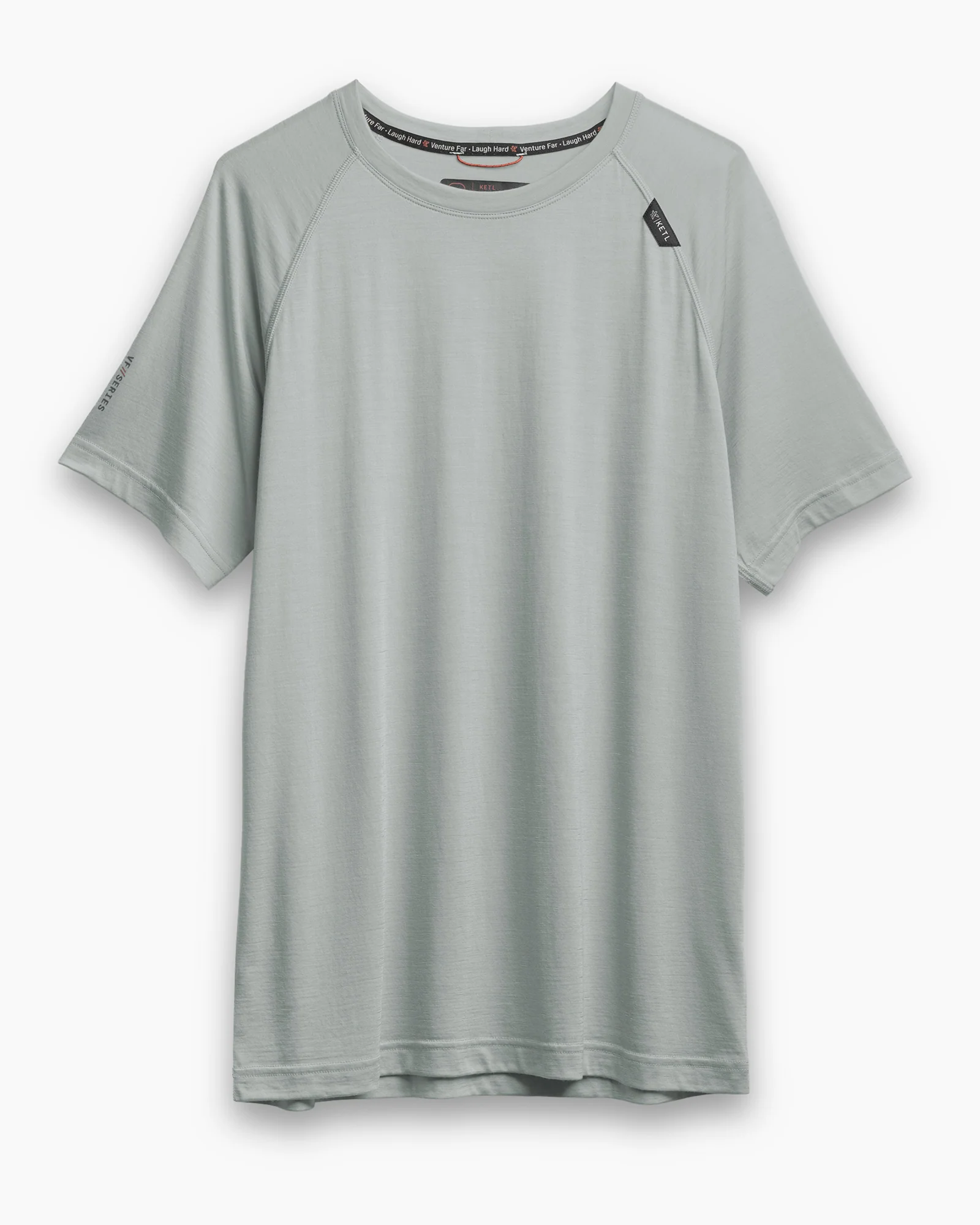
We integrate DryTek technology across multiple garment categories, each tailored to specific movement patterns and climate demands. Base layers and training tops use a lightweight DryTek weave that prioritizes airflow and stretch, while leggings and compression gear pair the same moisture-wicking fibers with a denser knit for muscle support.
For athletes who need a polished look without sacrificing performance, our DryTek polo shirts blend wicking technology with a structured collar and hem — ideal for golf, coaching, or any scenario where you’re sweating under scrutiny. The same capillary-action fibers work whether you’re in a knit polo or a mesh tank; the construction adjusts to the garment’s intended use.
Seasonal Variations
Summer-weight DryTek uses an open-weave mesh to maximize ventilation, while cold-weather versions add a brushed interior that retains warmth without trapping moisture. That dual functionality means you’re not choosing between staying dry and staying warm — the fabric manages both by moving sweat away before it can freeze against your skin during outdoor winter training.
Caring for DryTek Gear to Maintain Wicking Performance
Moisture-wicking fabrics lose effectiveness when residue clogs those microscopic channels we mentioned earlier. Fabric softener is the biggest culprit — it coats fibers with a waxy layer that blocks capillary action, turning your high-tech gear into expensive cotton. Skip the softener entirely and use a detergent formulated for synthetic athletic wear.
Wash DryTek items in cold water on a gentle cycle, and avoid high-heat drying. Excessive heat can damage the fiber structure and reduce elasticity, especially in garments with built-in stretch. Air-drying is ideal, but if you’re using a machine, choose the lowest heat setting and pull items out while still slightly damp.
If you notice your DryTek gear starting to hold odor or feel less breathable, it might be time for a deep clean. Soak the garment in a mixture of white vinegar and water (one part vinegar to four parts water) for thirty minutes, then run through a normal wash cycle. This strips away built-up oils and restores the fabric’s wicking ability without harsh chemicals that could degrade the fibers.
Choosing Activewear That Works as Hard as You Do
Moisture-wicking technology isn’t a luxury feature — it’s foundational to any serious training wardrobe. DryTek fabric solves the core problem every athlete faces: how to stay comfortable and focused when your body is working at peak output. By pulling sweat away from skin and accelerating evaporation, the technology keeps you lighter, cooler, and less distracted by discomfort.
Whether you’re comparing different activewear materials for your next purchase or simply trying to understand why your current gear isn’t keeping up, the science behind DryTek offers a clear answer. Synthetic wicking fabrics outperform cotton in every measurable way during active movement, and proper care ensures that performance lasts season after season. We built our line around this principle because we know the difference between finishing strong and fighting your own clothes — and DryTek makes sure it’s the former.
Notes
DryTek synthetic blends resist shrinkage better than natural fibers, but high heat can still cause some tightening. Wash in cold water and air-dry or use low heat to maintain original fit. If a garment does shrink slightly, it usually relaxes back during the next wear cycle as body heat and movement restore stretch.
Yes — DryTek still outperforms cotton in high humidity because it moves moisture away from skin even when air saturation slows evaporation. You’ll feel less sticky and experience better airflow against your body compared to absorbent fabrics that hold sweat in place. The fabric won’t dry as fast in humid air, but it keeps working to spread moisture thin across the surface, which reduces that clammy feeling.
The underlying principle — hydrophobic fibers with capillary channels — is common across most performance fabrics, but brands vary in fiber blend, weave density, and finishing treatments. DryTek is our specific implementation of moisture-wicking technology, calibrated for the activity profiles and price points we target. The functional outcome is similar to other quality wicking fabrics; the difference shows up in durability, stretch, and how the fabric feels against skin during repetitive motion.
DryTek moves sweat away quickly, which reduces the damp environment where odor-causing bacteria thrive, but it doesn’t eliminate odor entirely. Synthetic fabrics can hold onto smell more stubbornly than natural fibers once bacteria colonize the weave. Wash gear promptly after workouts, avoid letting damp items sit in a gym bag, and use the vinegar soak method mentioned earlier if odor builds up over time.
Most DryTek garments resist wrinkling due to their synthetic fiber content, but if you do need to smooth out creases, use the lowest iron setting without steam. High heat can melt or distort the fibers. A better option is hanging the garment in a steamy bathroom for a few minutes — the moisture and warmth relax wrinkles without direct contact that could damage the fabric structure.
Synthetic fabrics like polyester offer some inherent UV protection because the tight weave blocks more sunlight than loosely woven natural fibers. However, DryTek’s primary function is moisture management, not sun protection. If you’re training outdoors for extended periods, pair DryTek gear with sunscreen or look for garments that list a specific UPF rating on the label.